Next month is planned in a spreadsheet, because the system holds what was sold and what is on the shelf but not what has to be made
The spreadsheet did not replace the ERP. It filled the one seam the ERP was never sold to cover. Orders live in one place, stock lives in another, and the question that joins them, what do we build, what do we buy, and in what order, lives in a file with someone's initials on it. It works, until the build list and the purchase list are derived from a copy of the stock position taken on Monday, and the two shortages that show up on Thursday were both visible on Monday to a system that was never asked.
What changes with supply chain
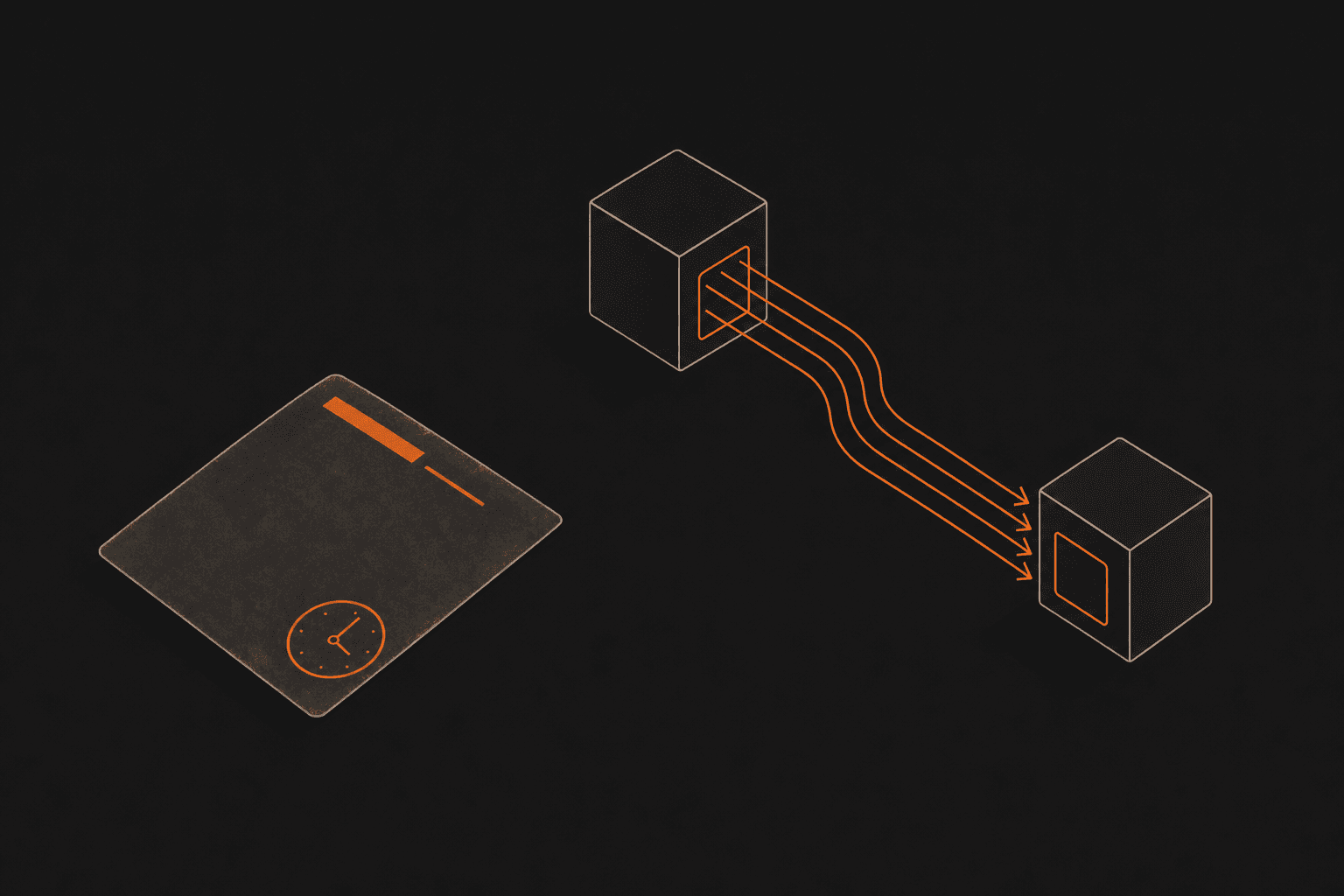
The plan stops living in a spreadsheet beside the system. What has to be made becomes a record rather than a row in a file: the bill of materials, the work orders and the production order sit in the same system as the stock they consume and the journal entries they create.
A reordering rule raises the purchase, or the build, from the position the system holds now, not from a copy taken on Monday. It fires on the lead time along the path, the delays on each rule plus the vendor's own, so the trigger is something you set and can read, not a forecast you have to trust.
The cost of a run lands as the run happens, components, work-centre time and whatever was added by hand, instead of being trued up from memory at the close, with work in progress posted at period end and its reversal already scheduled.